Investor Relations • Executive Writing • Presentations
Simplifying complexity in finance, governance and policy
Annual reports, integrated reports, sustainability reports and investor presentations.
Books, articles, speeches and thought-leadership pieces written in your voice.
Clear, persuasive copy for websites, marketing materials and newsletters.
Keynote speeches, conference presentations and corporate workshops.
Whispers of romance, hidden letters, and a controversial legacy: Revealing the mysterious bond between the exiled Greek Queen, Frederica of Hanover, and South Africa's Jan Smuts.
Frederica of Hanover (Queen of Greece from 1947 to 1964) was an intriguing royal figure who was exiled in South Africa during the Second World War. "Freddie" was hosted by none other than General Jan Smuts, prime minister and advisor to Winston Churchill. "Jannie" became something of a guru figure to her. Opposition parties spread rumours of an unbecoming romance (Smuts was old enough to be her grandfather). On Smuts' passing in 1950 Frederica sent for all the letters she wrote to him and refused anyone access to any letters between them.
Writer and speaker Angus Douglas delves into the mysterious relationship between these two historic figures and what it portends for South Africa.
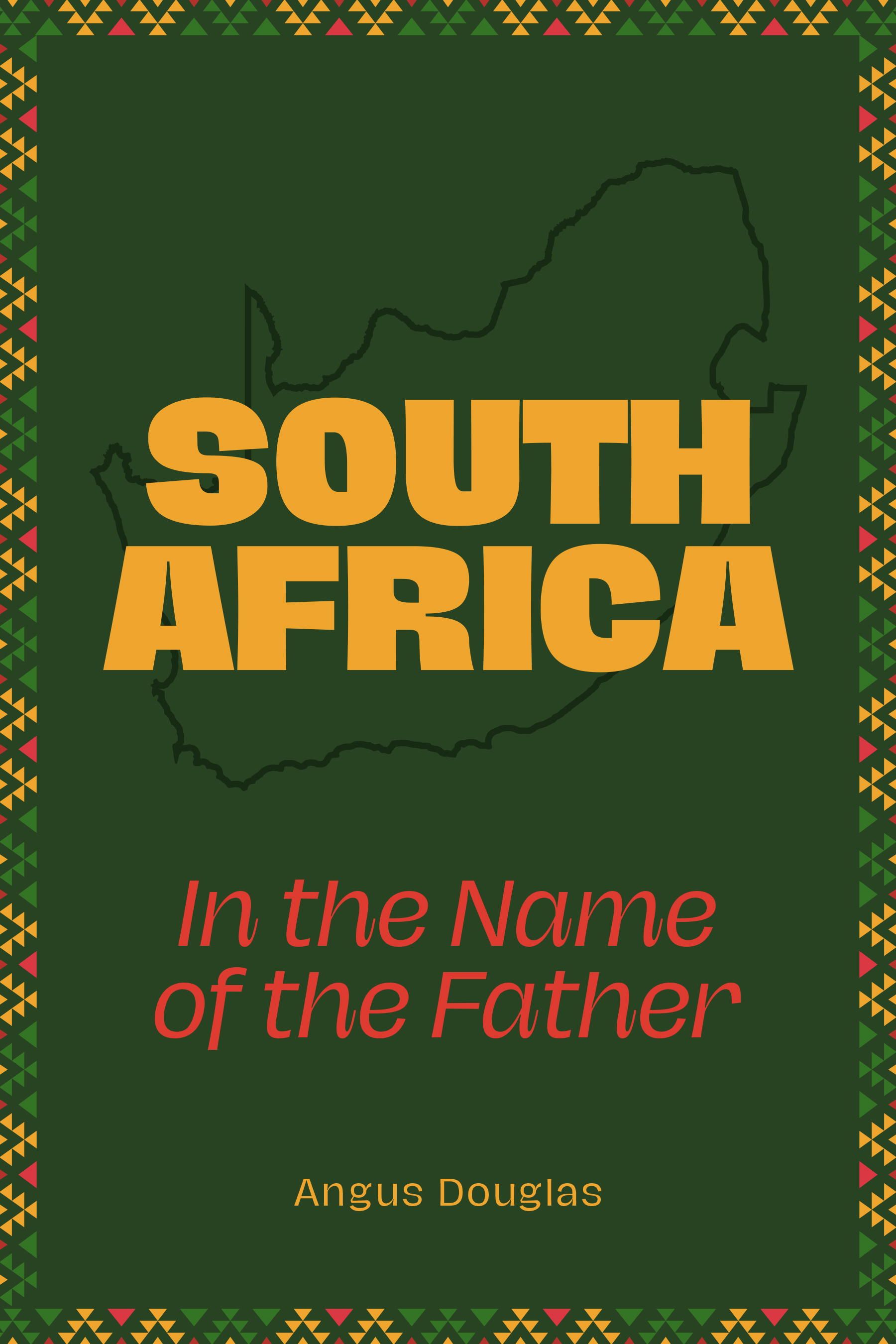
State Capture under President Jacob Zuma, followed by the devastating riots and looting of July 2021, shook the foundations of South Africa’s liberal order. An unpalatable truth now haunts the rainbow nation: African majority rule has pushed the country to the cliff-edge of collapse.
Those who should speak out against a failed principle remain silent, fearing they will be on the wrong side of a progressive ideology that weaponises race, undermines institutions, and saps our moral energy.
In this book, disillusioned liberal Angus Douglas reinvigorates the moral cause of the West. He argues that we cannot fix South Africa without affording some honour to those who created it — and to those who, today, still protect our communities.
American economist Glenn Loury called it “a great book”.